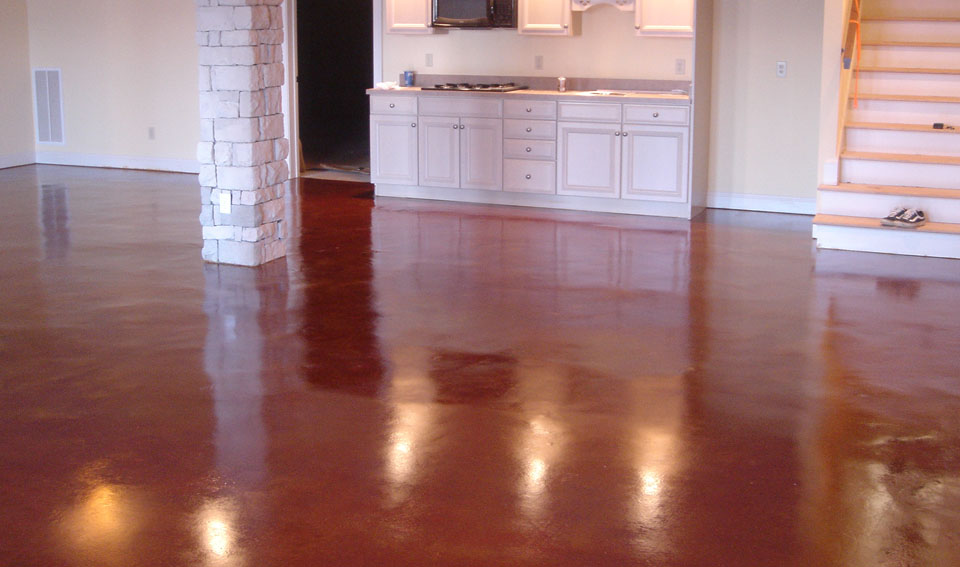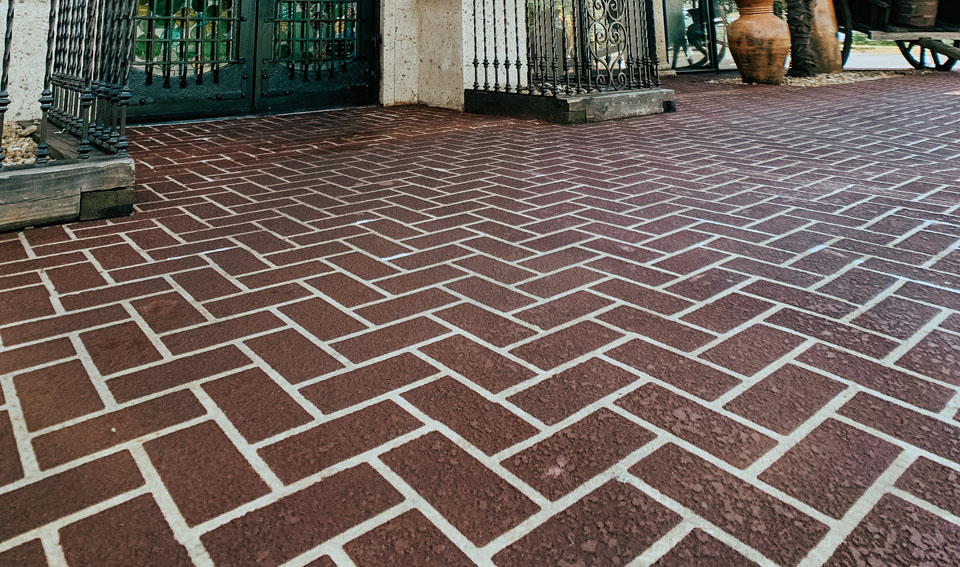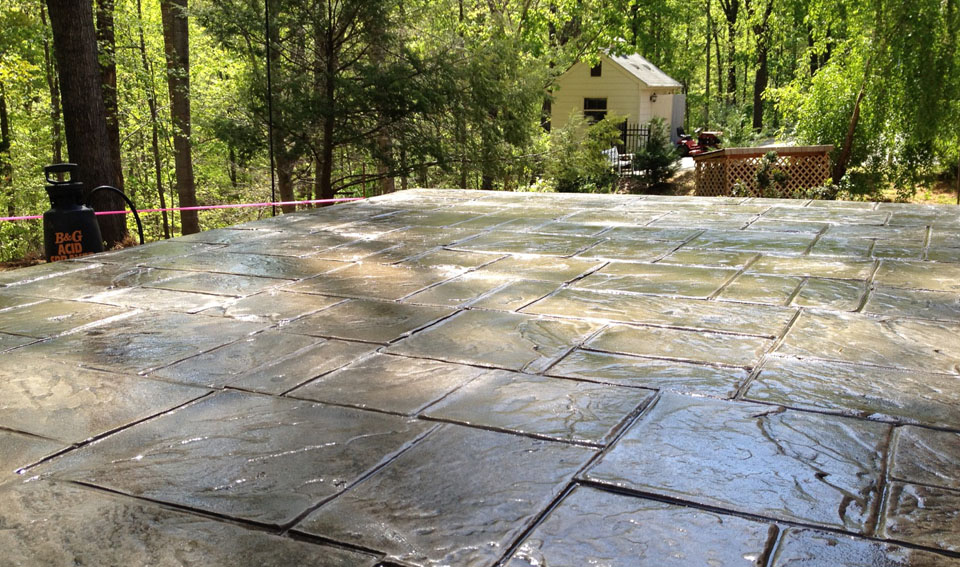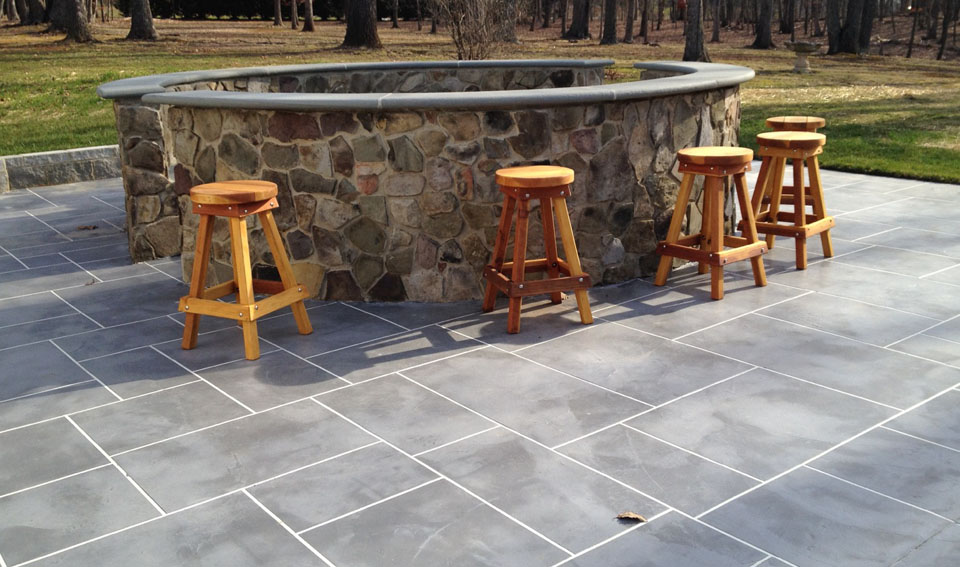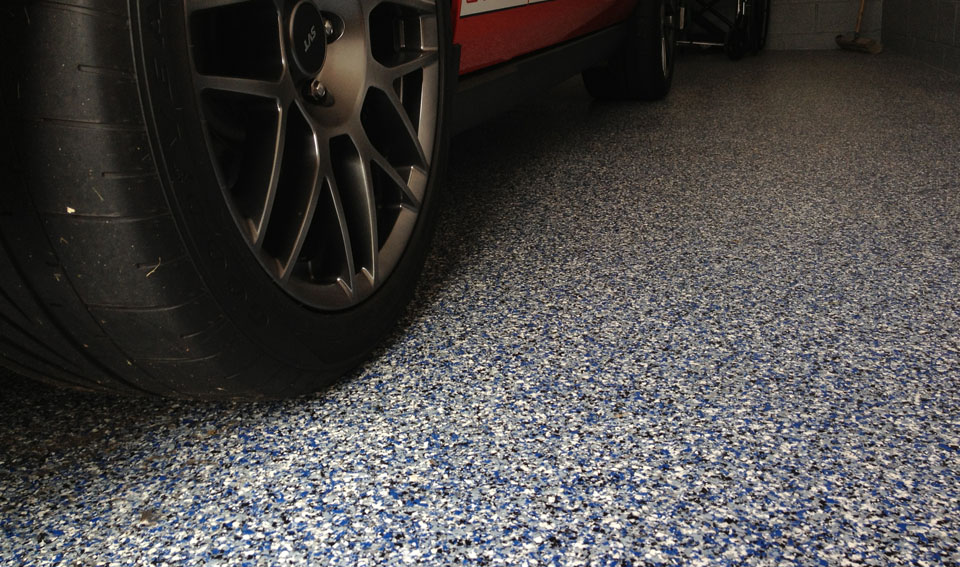

A beautiful stained concrete floor starts long before the stain is applied. Keeping fresh concrete clean and uncovered during construction helps prevent permanent color changes, stains, and uneven results.
Protecting Fresh Concrete
For the first month after a concrete floor is poured, avoid covering it with plywood, plastic, or paper for extended periods. Concrete releases moisture as it cures, and covered areas can cure to a different shade. Paper overlaps and plastic wrinkles may leave visible lines or patterns that can show through a stained finish.
Keep mud, paint, plumbing glue, grout, and other construction materials off the floor. If other trades need to work above the slab, use drop cloths rather than taping down plastic or paper. Blue or white chalk should be used instead of permanent red chalk.
Staining and Sealing
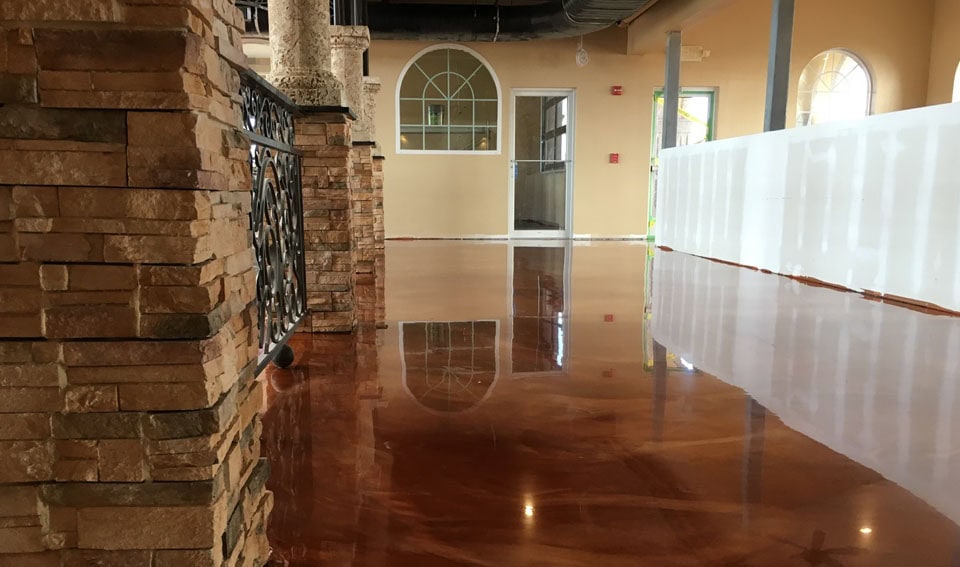
Once the floor is clean, the surface can be lightly screened or prepared so stain can penetrate. In the video, DCVA applies an acetone-based dye, then seals it with a water-based epoxy followed by a urethane topcoat for added durability and a more even sheen.
Some concrete floors look best with stain, while natural gray concrete can also be cleaned and sealed without added color. The best option depends on the slab’s condition and the desired look.
Learn More
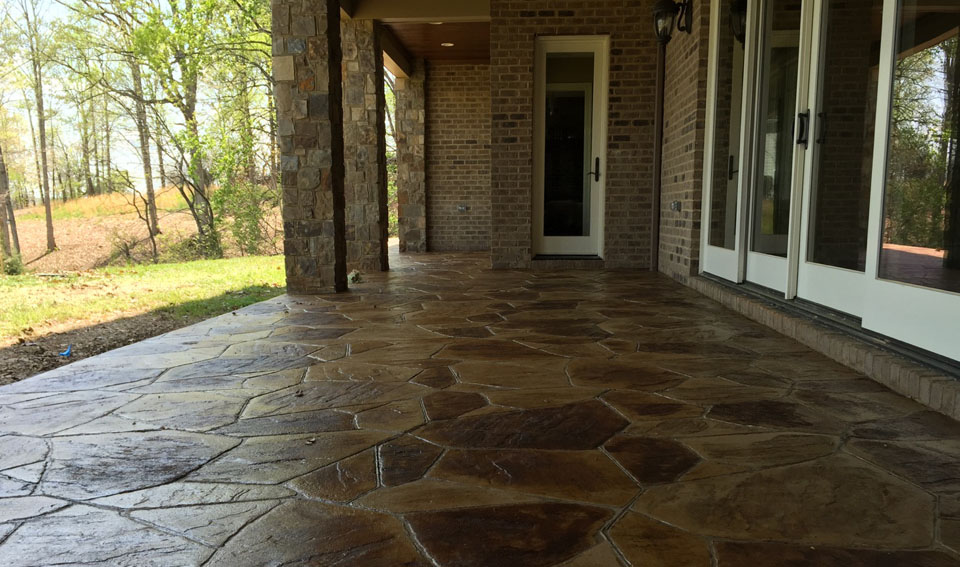
Stained concrete can add natural color and character to basements, patios, workshops, and other concrete surfaces. Homeowners in Lynchburg and Central Virginia can explore DCVA’s stained concrete services or visit Decorative Concrete of Virginia.
Contractors can learn more about decorative concrete techniques through Decorative Concrete School. For more project videos, visit the TimDCVA YouTube channel.